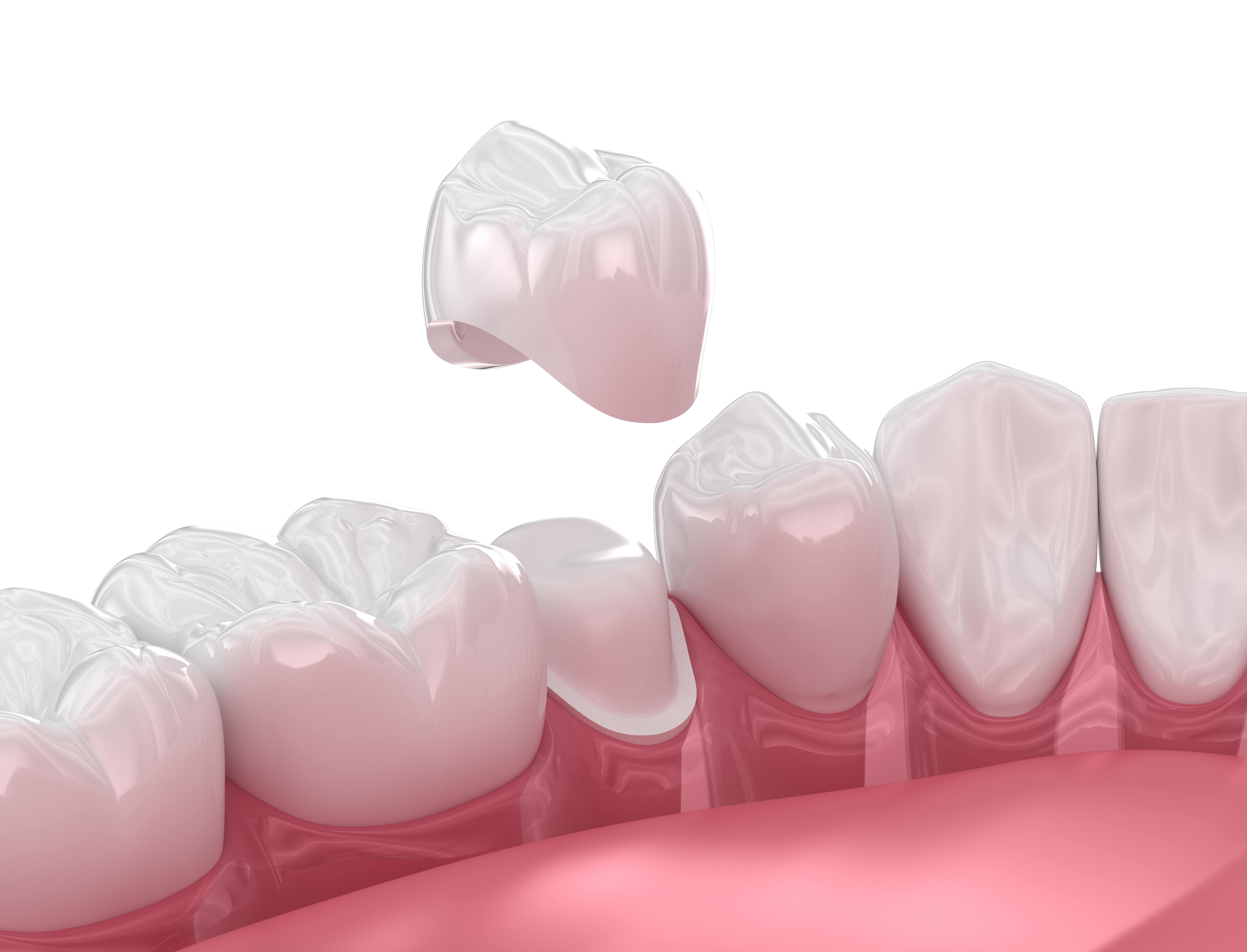
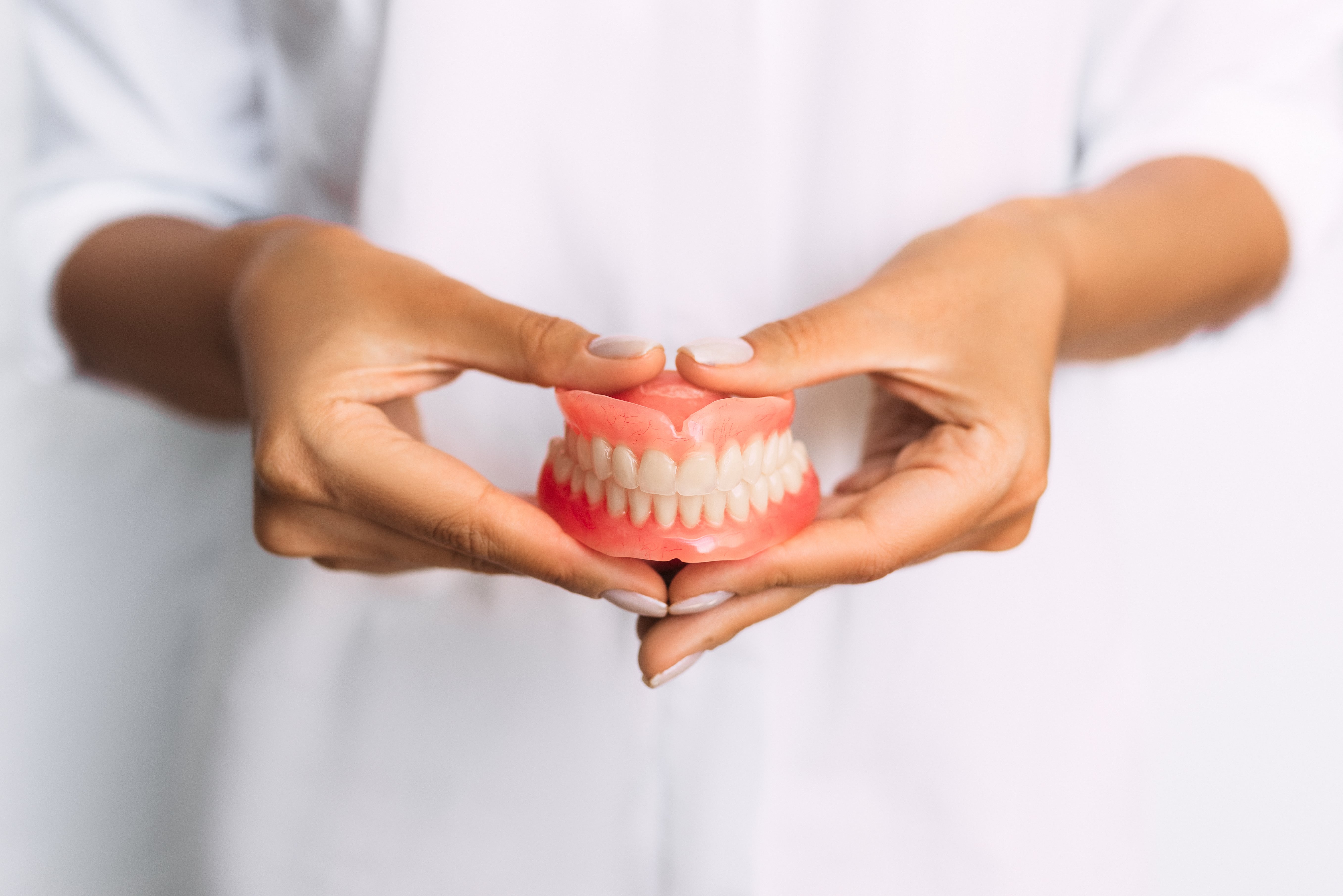
A dental bridge replaces one or more missing teeth with a fixed restoration anchored to the surrounding teeth — no removal, no adhesives. Smile Story's bridges are designed to blend naturally into your smile and restore full chewing function.
A dental bridge is a fixed (non-removable) way to replace a missing tooth. It “bridges” the gap by using the teeth on either side of the space, restoring them so you end up with what’s essentially a connected row of teeth—like a team of crowns working together. When it’s done right, it feels smooth, natural… like that space never even existed in the first place!
Bridges are also great at treating any teeth that are immediately adjacent to the gap, if they happen to be unhealthy. If those teeth already have cavities or need work, a bridge lets us take care of those teeth and replace the missing one at the same time—two birds, one stone!
All in all, bridges are a strong, reliable, and cost-effective way to get your mouth back on track—so you can chew, speak, and smile like nothing ever happened.
Yes — and in many cases, a bridge can actually be one of the most natural-looking tooth replacement options available. Modern bridges are typically made from porcelain or zirconia, which closely mimic the color, translucency, and shape of natural teeth. That said, every patient and every area of the mouth is different. We'll always walk you through all of your options so you can choose what works best for your anatomy, your goals, and your budget — both short-term and long-term.
When a tooth is missing, the surrounding teeth begin to shift toward the open space, which throws off your bite alignment and causes uneven wear over time. Beyond that, the jawbone beneath the gap gradually loses density without a tooth root stimulating it. A bridge restores your chewing function, keeps neighboring teeth in position, and helps slow that process — making timing matter more than most patients expect.
It's a common instinct, but missing teeth rarely stay a contained problem. The neighboring teeth start shifting, your bite compensates in ways that cause uneven wear, and the jawbone in that area begins to resorb without stimulation from a tooth root. Most patients don't notice these changes until they've compounded. Even a temporary removable option is typically better than leaving the gap untreated while you're deciding on a permanent solution.
The main tradeoff is that a bridge relies on the neighboring teeth for support, which means those teeth are prepared (reshaped) to anchor it. If a supporting tooth later develops decay or gum disease, it can compromise the entire bridge. It's worth knowing upfront, though it's also true that every tooth replacement option requires ongoing maintenance. We'll show you exactly how to care for your bridge — and if an implant might be a better fit for your situation, we'll tell you that too.
With consistent care, most bridges last 10–15 years, and many last considerably longer. The biggest factor isn't the bridge itself — it's the health of the teeth supporting it. Keeping those anchor teeth free of decay and the surrounding gums in good shape is what determines how long the bridge goes the distance.
A bridge spans the gap by anchoring to the teeth on either side — no surgery, faster timeline, and a proven track record. An implant replaces the tooth root itself with a titanium post that fuses to the jawbone, supporting a crown independently without involving neighboring teeth. Implants preserve bone better long-term, but they require sufficient bone density, good systemic health, and a longer treatment timeline. Neither is universally better — the right choice depends on your anatomy, health history, and goals, and we'll walk through both honestly.
Brushing is the same as usual, but flossing requires getting underneath the bridge — which standard floss can't do on its own. A floss threader or water flosser makes this straightforward once you've done it a few times. We'll walk you through the technique at your appointment so it becomes a quick part of your routine.
For most patients, it's comparable to getting a filling or crown. The area is fully numbed before any prep work, and the procedure itself is typically comfortable. Some mild soreness in the gums for a day or two afterward is normal, but most patients manage it fine without anything beyond over-the-counter relief. The process usually takes two appointments — one for tooth preparation and impressions, one to place the final bridge.
Reach out today to start your journey towards better dental health.
Reach out today to start your journey towards better dental health.
Join our newsletter for updates. Read our Terms