Dental sealants at Smile Story are a quick, painless way to protect the back teeth from cavities before they start — a thin coating applied to the chewing surfaces that keeps bacteria and food particles out for years.
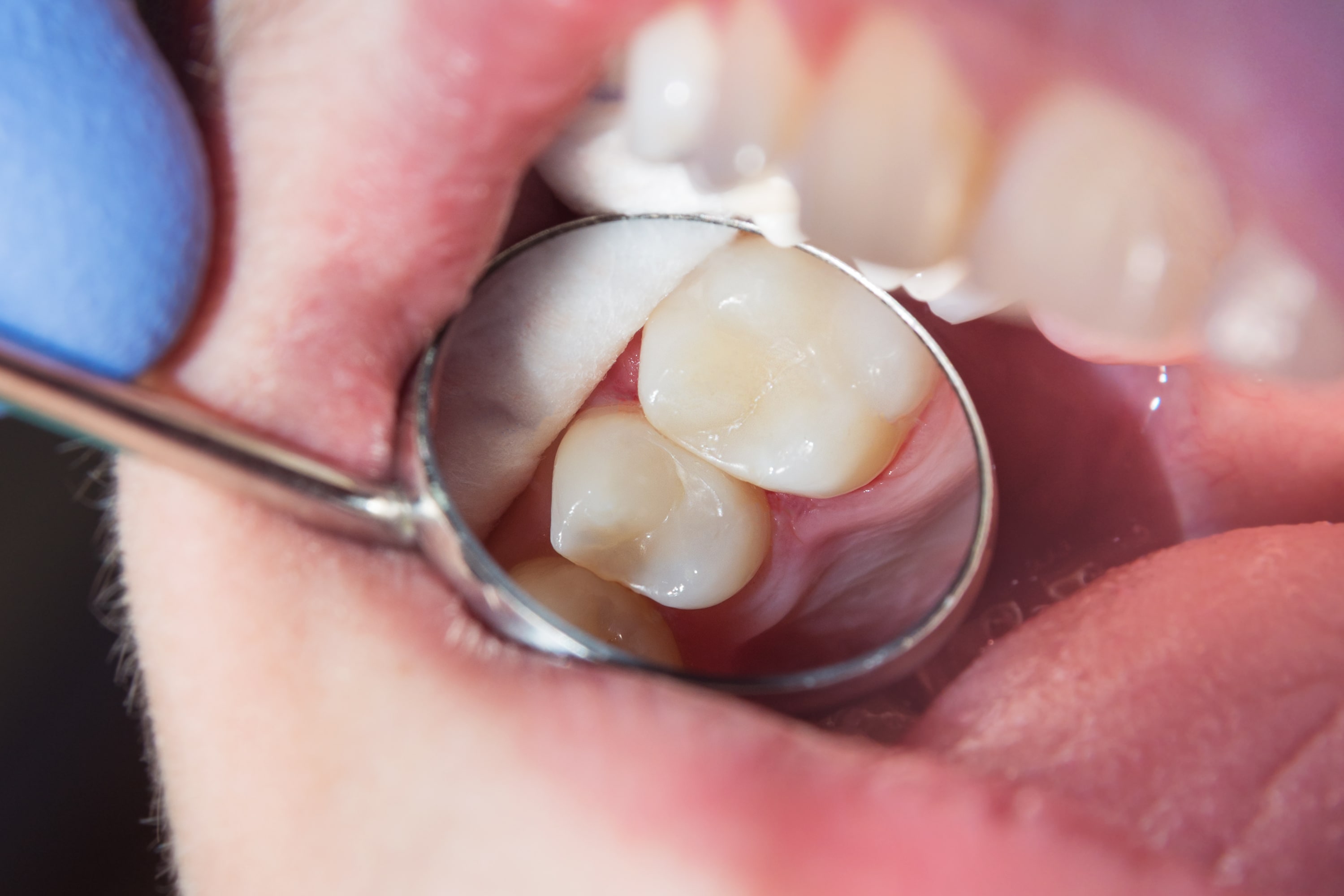
Dental sealants are thin, tooth-colored resin coatings applied directly to the chewing surfaces of molars and premolars — the back teeth most vulnerable to cavities. These teeth have deep grooves and pits that even thorough brushing struggles to fully clean. Bacteria and food particles settle into those grooves, and over time that buildup leads to decay.
Sealants fill and seal those grooves, creating a smooth surface that sheds food and bacteria instead of trapping them. The result is a physical barrier between the tooth and the conditions that cause cavities.
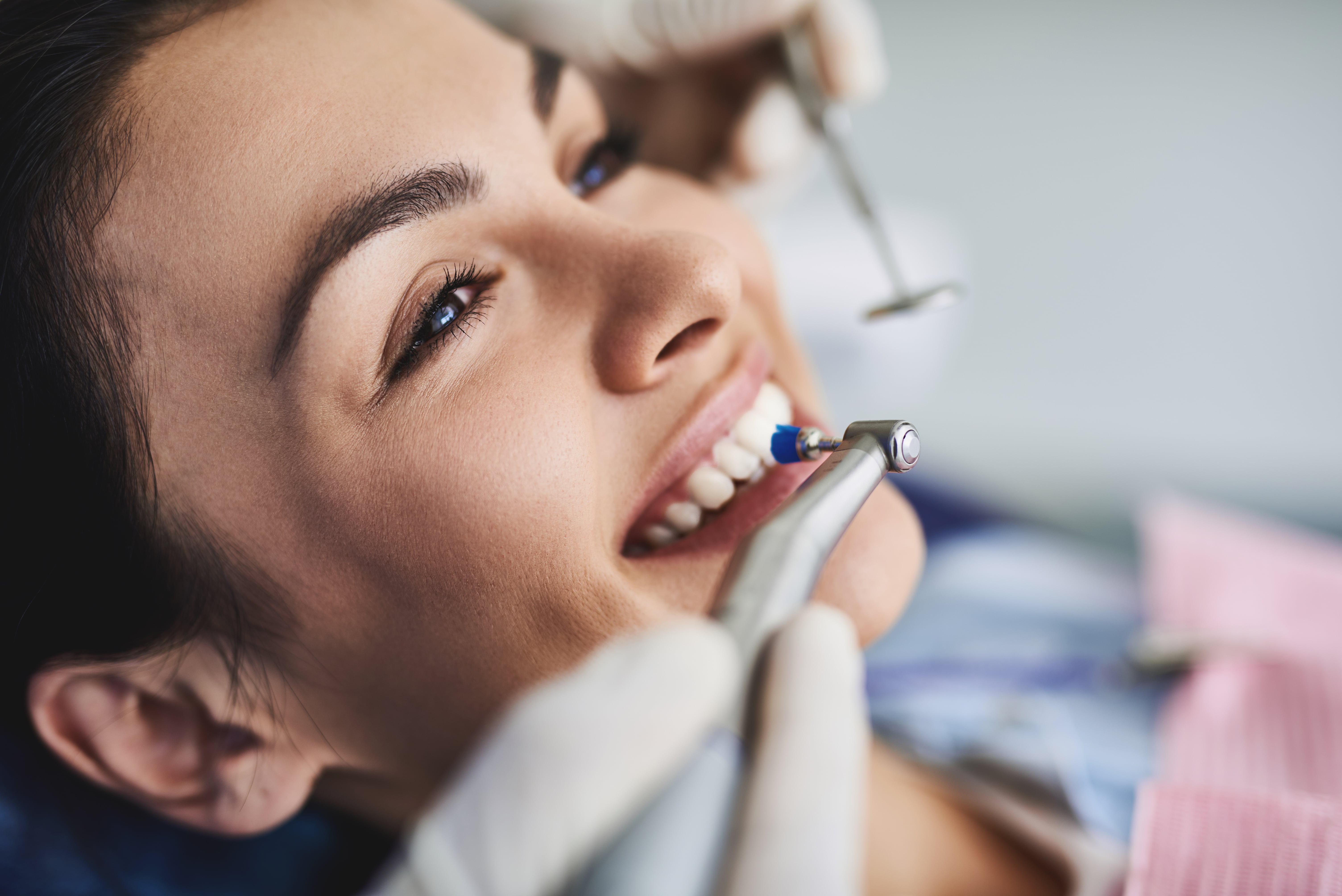
The procedure is completely noninvasive — no drilling, no anesthesia, no discomfort. The tooth is cleaned and dried, the sealant material is painted on in liquid form, and a curing light bonds it in place in seconds. The whole process takes just a few minutes per tooth and can typically be done at the same appointment as a routine cleaning.
Sealants are most commonly placed on children's permanent molars shortly after they erupt — typically between ages 6 and 14 — when these teeth are at their highest risk for early decay. But adults benefit from sealants too, particularly if you:
Sealants are a preventive measure — they work on healthy teeth only. If decay is already present, it needs to be treated first. We check for candidacy at your cleaning appointment and will let you know if sealants make sense for you.
Sealant placement is one of the simplest procedures in dentistry. Here's what happens at your appointment:
No recovery time, no dietary restrictions, no downtime. Most patients leave the same day as their cleaning with sealants already in place.
With normal use, dental sealants last 5–10 years. We check their integrity at every cleaning appointment and can reapply if a sealant chips or wears down over time. Even a partially worn sealant still provides more protection than an unsealed tooth.
A cavity that develops in an unsealed molar may require a filling, a crown, or — if decay progresses to the pulp — a root canal. Sealants are a fraction of that cost and take minutes to place. For patients prone to back-tooth decay, sealants are one of the highest-value preventive investments available.
No — adults benefit from sealants too. While they're most commonly placed on children's permanent molars shortly after eruption, adults with deep grooves, a history of cavities, or back teeth that have never had decay are strong candidates as well. If your molars are healthy and unsealed, it's worth discussing at your next cleaning.
Not at all. There's no drilling, no needles, and no anesthesia required. The procedure involves cleaning the tooth, applying a gentle conditioning solution, painting on the sealant, and curing it with a light. Most patients don't feel anything during the process.
Typically 5–10 years with normal chewing wear. We check them at every cleaning appointment and reapply as needed. Even a sealant that has partially worn down still offers more protection than a bare tooth surface.
No — sealants are preventive, not restorative. They're applied to healthy tooth surfaces to prevent decay from starting. If decay is already present, it needs to be treated with a filling first. We check for this at the exam before placing any sealants.
No — sealants protect the chewing surfaces of back teeth, but the sides, fronts, and spaces between teeth are still exposed. Brushing, flossing, and fluoride remain essential. Sealants add one more layer of protection where decay is most likely to start, but they're not a substitute for consistent home care.
Most patients can't feel them at all after the first day. We check and adjust the bite before you leave the appointment. Once settled, sealants are smooth, thin, and unnoticeable.
Many dental insurance plans cover sealants for children up to a certain age, typically 14–16. Coverage for adults varies by plan. We're happy to check your benefits before the appointment so there are no surprises.
It can chip or partially wear away over time, especially with heavy grinding or biting on hard objects. That's why we check them at every visit — if one needs to be reapplied, it's a quick fix at your next cleaning appointment.
Reach out today to start your journey towards better dental health.
Reach out today to start your journey towards better dental health.
Join our newsletter for updates. Read our Terms