Tooth-colored composite fillings at Smile Story restore decayed or damaged teeth with a natural-looking, metal-free material that bonds directly to the tooth. Treatment is completed in a single visit, with no silver and no compromise on appearance.
Tooth-colored fillings — also called composite resin restorations — repair areas of a tooth damaged by decay, minor fractures, or wear using a material that blends invisibly with your natural tooth color. Made from a blend of fine glass particles and resin, composite bonds chemically to the tooth structure, which means less healthy tooth needs to be removed compared to traditional silver amalgam fillings.
The result is a restoration that's strong, durable, and essentially invisible. Most patients can't identify which tooth was treated when looking in the mirror.
Unlike silver amalgam, composite doesn't expand and contract with temperature changes the way metal does — which reduces the long-term risk of hairline cracks developing in the tooth around the filling over time.
Composite fillings work best for:
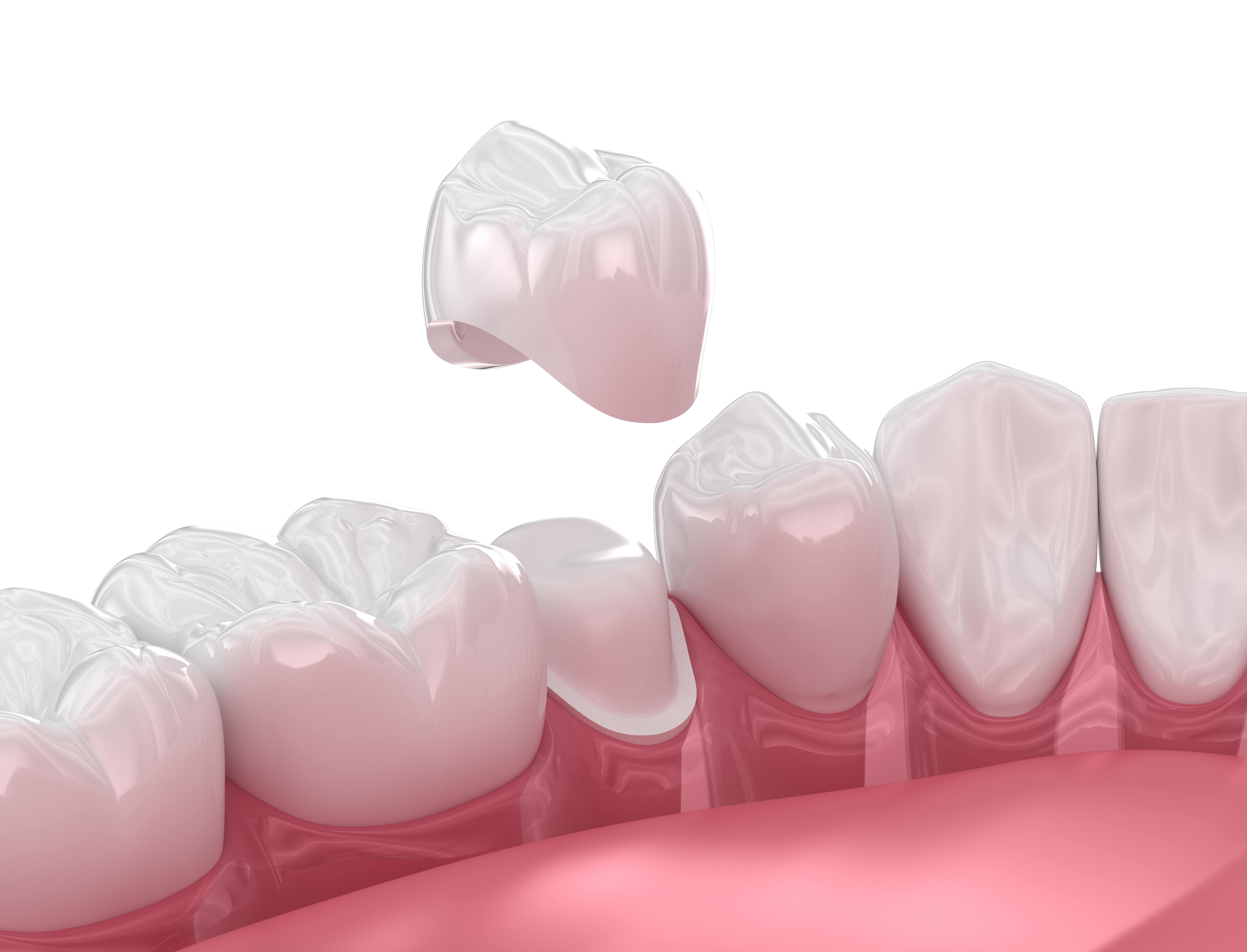
When decay or damage is more extensive — covering a large portion of the tooth, affecting a cusp, or following a root canal — a crown typically provides a stronger, more durable long-term result. We'll always recommend the most conservative option that still gives you a restoration that lasts.
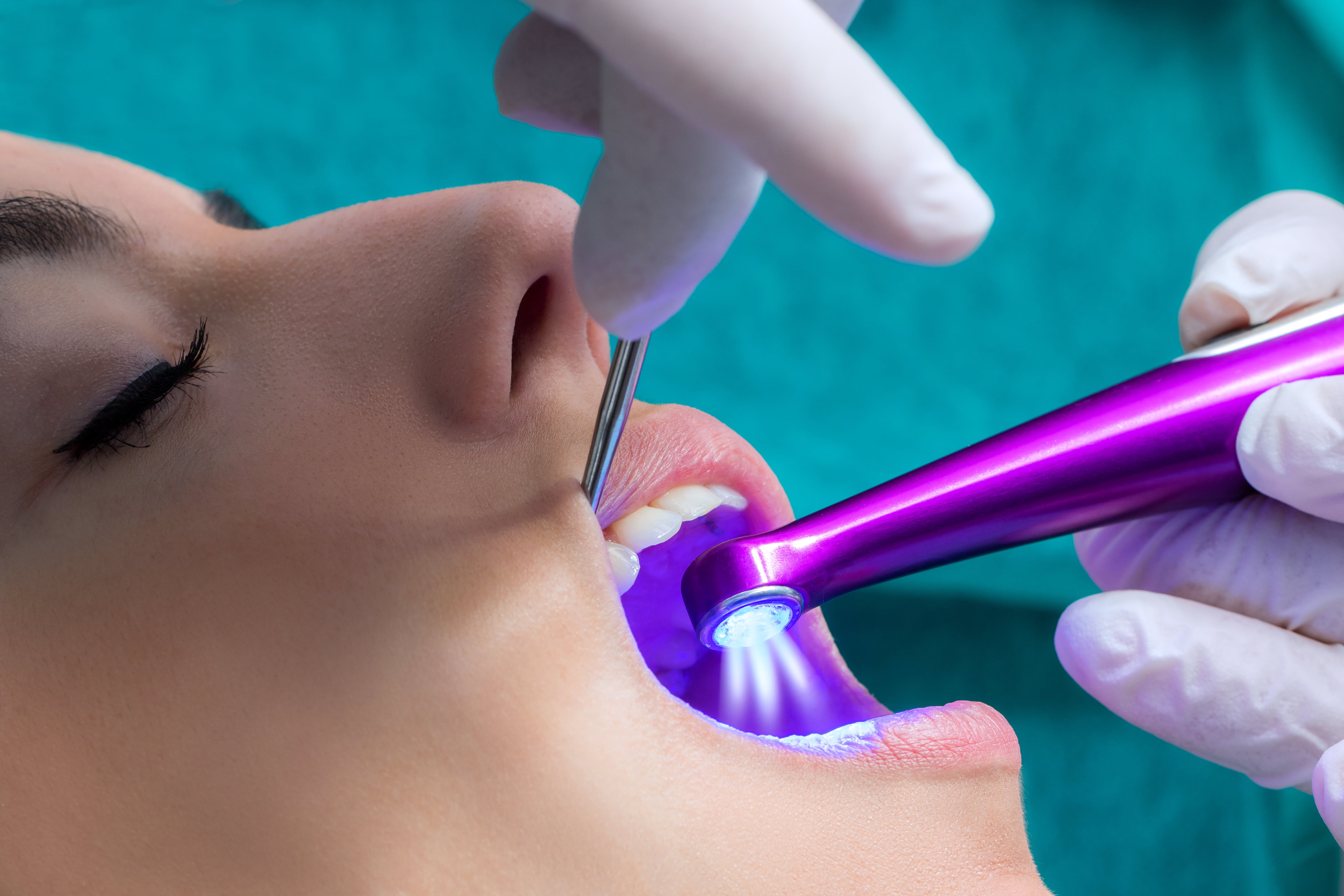
Fillings are completed in a single appointment, typically 30–60 minutes depending on the size and location of the cavity. Here's what the process looks like:
Most patients can eat normally within an hour or two once the numbness wears off.
With proper care, composite fillings typically last 7–10 years. Longevity depends on the size of the filling, its location in the mouth, bite forces, and oral hygiene habits. Fillings on the chewing surfaces of back molars experience more stress than those in lower-pressure areas. We check all existing restorations at every cleaning appointment and let you know if something needs attention before it becomes a larger problem.
Many patients ask about replacing existing amalgam restorations. If a silver filling is cracked, leaking, or failing, replacing it with composite is a straightforward clinical decision. If an amalgam filling is intact and functioning well, replacement isn't always necessary — and removing a functional filling means removing additional tooth structure. We'll give you an honest assessment and only recommend replacement when there's a real clinical reason to do so.
For most everyday applications, yes. Modern composite resin has improved significantly in strength and durability and holds up well under normal chewing forces. For very large restorations or teeth under heavy grinding pressure, a crown may be the more durable long-term option — we'll tell you honestly which applies to your situation.
No. Composite is color-matched to your natural tooth shade before placement. Once polished and in place, the restoration blends into the surrounding tooth. Most patients can't identify the treated tooth when looking in the mirror.
The procedure is done under local anesthesia, so you won't feel pain during treatment — just some pressure and light vibration. It's normal to experience mild sensitivity for a few days afterward, particularly to hot, cold, or sweet. This typically resolves on its own within one to two weeks.
Yes, when there's a clinical reason — the filling is cracked, leaking, deteriorating, or contributing to a problem with the tooth. We don't recommend removing a fully functional amalgam filling purely for cosmetic reasons, since doing so means removing additional tooth structure unnecessarily. We'll assess your existing fillings honestly at your exam.
Most fillings take 30–60 minutes depending on the size and location. If you have multiple cavities in different areas of the mouth, we may complete them in the same visit or split them across two appointments.
Composite fillings typically last 7–10 years with consistent home care and regular checkups. Size, location, and bite forces all influence longevity. We monitor existing restorations at every cleaning so we can identify any wear or issues early.
Wait until the numbness wears off — usually 1–2 hours — before eating, to avoid accidentally biting your cheek or tongue. After that, there are no restrictions. Some temporary sensitivity to hot or cold is normal and usually fades within a week or two.
When the decay or damage is extensive enough that a filling can't adequately support the remaining tooth structure. A crown is typically the better choice when a large portion of the tooth is compromised, a cusp is broken, or the tooth has had a root canal. We'll always recommend the most conservative option that still delivers a durable, lasting result.
Reach out today to start your journey towards better dental health.
Reach out today to start your journey towards better dental health.
Join our newsletter for updates. Read our Terms